SkyReels V4 AI Video Generator
Supports text, image, audio, and mixed-reference workflows with unified generation, repair, and editing tasks. Create cinematic AI videos with SkyReels V4 directly on this page.
SkyReels V4 demo cases
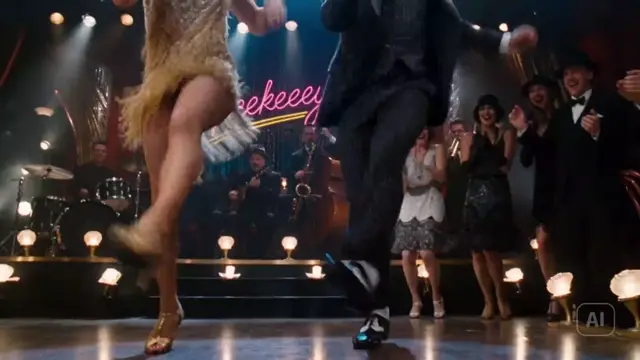
These demo clips reuse the proven Wan 2.6 showcase structure so the SkyReels V4 page immediately has tangible examples instead of abstract feature claims.
What SkyReels V4 AI Video Generator is positioned to do
This page explains the model scope and directs related intent to the right pages.
Multimodal input framing
Position SkyReels V4 around text, image, and mixed-reference prompting so users immediately understand that this is more than a one-mode text-to-video tool.
Joint audio-video narrative
A major differentiator in the official positioning is simultaneous audio and video generation. Use this as a recurring message on homepage, product page, and review page.
Generation, repair, and editing
Instead of talking only about one-shot generation, explain how the product can cover creation, fixing, and iteration workflows inside one model family.
SkyReels V4 AI Video Generator workflow framing
These blocks help explain where this model fits inside the site architecture.
Product intent
SkyReels V4 AI Video Generator page should answer what the model is, who it is for, and which generation modes it supports.
Review intent
Hands-on evaluation belongs on the review route. Link to /skyreels-v4-review whenever users need proof, testing notes, or buying confidence.
Comparison intent
When users want alternatives, send them to comparison pages like /skyreels-v4-vs-sora instead of bloating the product page.
SkyReels V4 AI Video Generator core capabilities
Use these capability blocks to explain why SkyReels V4 is framed as a serious multimodal AI video generator rather than a lightweight demo-only tool.
The SkyReels V4 AI Video Generator page needs a clear capability layer because product-intent visitors usually arrive before they decide whether they need the review page, the prompt guide, or the pricing page. This section should explain the actual production value of SkyReels V4 in plain language: what kinds of inputs it accepts, where it appears stronger than simpler text-to-video tools, and why users who care about editing, repair, and continuity should pay attention. Instead of repeating abstract model language, the page should translate those claims into workflow outcomes that a creator, growth team, or studio operator can immediately understand.
SkyReels V4 product framing
A multimodal workspace for generation, repair, and controlled iteration
Instead of describing SkyReels V4 as a single-mode generator, this page should make the workspace feel production-oriented. Readers should come away with the idea that they can prompt, reference, compare, and refine inside one system. That is also why the visual treatment matters here: the page should show a polished interface context, not just long paragraphs about what the model may do in theory.
Text-to-video with stronger scene control
SkyReels V4 AI Video Generator should be described as a model that does more than simply animate a sentence. The page needs to show that detailed prompts, cinematic framing, subject motion, and environment instructions are all part of one controllable generation flow. That matters because product-page visitors are often deciding whether this model can carry serious creative direction or whether it will drift into generic filler after a few lines of input.
Image-led multimodal reference workflows
Another key H3 on this page is multimodal reference control. A large share of SkyReels V4 intent comes from users who want to preserve style, maintain character identity, or anchor composition with a reference frame. The page should therefore explain how SkyReels V4 fits image-to-video and reference-guided production instead of letting users assume that all reference workflows belong only on the comparison or prompt-guide pages.
Unified generation, repair, and editing
The official SkyReels V4 positioning also leans on unified generation, repair, and editing tasks. That needs its own explanatory block because users comparing advanced video systems are not only asking whether a model can start from zero. They are also asking whether it can fix weak outputs, continue existing scenes, or shorten the distance between first pass and final usable clip. This is where the SkyReels V4 AI Video Generator page can sound more practical and less hype-driven.
SkyReels V4 AI Video Generator generation flows
These H3 blocks explain how different users should think about fast exploration, reference control, and iteration inside one model page.
Fast concept exploration
For marketers and solo creators, the first value of SkyReels V4 AI Video Generator is idea velocity. The model page should explain that early concepting is not about perfect prompt engineering. It is about getting a first visual direction on screen fast enough to make decisions, reject weak ideas, and move forward with a stronger concept before time is lost in production loops.
Reference-driven production
The second flow is reference-driven production. This is the mode that matters when a team already has a design language, a hero frame, a storyboard fragment, or a previous clip that must be respected. Here the product page should make it clear that SkyReels V4 is suitable for users who need composition guidance and stronger consistency, not just raw generative surprise.
Repair and iteration loops
The third flow is iterative refinement. This should tell users that SkyReels V4 AI Video Generator is not only useful when everything is perfect on the first attempt. Instead, it can fit production loops where a clip is evaluated, repaired, reframed, or re-generated with better intent. That message matters because practical buyers care more about the total workflow than about isolated benchmark claims.
Who should use SkyReels V4 AI Video Generator
A product page becomes more persuasive when it explains the jobs and teams that actually benefit from the model.
One reason product pages often feel thin is that they describe features without explaining who those features are for. SkyReels V4 AI Video Generator should avoid that mistake. This page should map the model to specific use cases so a reader can self-qualify quickly. The goal is not to claim that SkyReels V4 solves every video problem. The goal is to show which users benefit most from multimodal control, consistency, and editing flexibility, and which users may prefer a lighter or cheaper path.
Creators building repeatable series
Independent creators benefit when a model can keep a recognizable visual identity across multiple clips. That is where SkyReels V4 AI Video Generator can be positioned as a better fit than tools that deliver one impressive output but struggle to preserve characters, tone, or style when the creator tries to turn a single idea into a continuing series.
Marketing teams testing creative angles

Growth and performance teams often need multiple creative directions fast, but they also need enough control to keep brand inputs coherent. This is a strong use case for SkyReels V4. The page should make that explicit so marketers understand they are looking at a production aid, not just an experimental media toy.
Studios prototyping scenes before commit

Studios and creative leads can use SkyReels V4 AI Video Generator as a previsualization layer before expensive production begins. That does not mean the page should overstate final-output guarantees. It means it should explain how V4 supports faster scene validation, stronger communication between stakeholders, and clearer iteration before resources are committed.
Next steps
Use internal links to move readers from SkyReels V4 AI Video Generator product discovery toward deeper evaluation and purchase intent.